Are You Working with the Wrong Coach? Transactional vs. Transitional
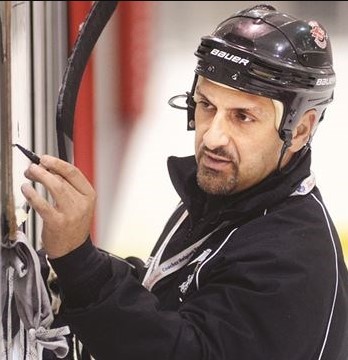
Are you working with the wrong coach? Choosing between a transactional coach and a transitional coach could have a huge impact on your life. It is important to understand the differences between the two in order to make an informed decision about which coach is best for your goals. A transactional coach is focused on their own interests and often views coaching as a means to gain experience and benefit themselves. On the other hand, a transitional coach is invested in your success and looks to help and serve their players to become better overall. In this blog post, we will discuss the differences between transactional and transitional coaching to help you determine which type of coach is right for you.

Continue reading “Are You Working with the Wrong Coach? Transactional vs. Transitional”

Maximizing odd man rushes: how proper positioning can lead to scoring opportunities

One of the most important strategies to maximize scoring opportunities is to ensure proper positioning during an odd man rush. When the puck carrier enters the offensive zone, it’s important to remember the old adage: the puck carrier should go wide, the middle laine drive should go to the net, and the F3 should stay high for a quick pass and shot. With this strategy in mind, it’s easy to see how the middle laine drive can be key to creating odd man rushes, as it requires energy and understanding from youth players. With these simple rules of positioning, coaches and players can unlock the potential of an odd man rush and maximize scoring opportunities.

Continue reading “Maximizing odd man rushes: how proper positioning can lead to scoring opportunities”

No Parents, No Problem: How Finland’s Hockey Approach Sets a Positive Example

It’s no secret that the competitive spirit and high stakes of youth sports can lead to a toxic environment for young athletes, and parents are often at the heart of this problem. But in Finland, hockey is handled differently; parents are not allowed to watch their children play, breaking the cycle of toxicity that often surrounds youth sports. This approach is a prime example of how sports can be positive and beneficial for children without having to succumb to the pressure and drama of a competitive environment. In this blog post, we’ll explore how Finland’s hockey approach sets a positive example and how we can learn from it.

Continue reading “No Parents, No Problem: How Finland’s Hockey Approach Sets a Positive Example”

Ice Time or Social Time: Weighing the Pros and Cons of Overnight Hockey Tournaments

For hockey teams, overnight tournaments can be a great way to develop team culture and build camaraderie. However, it is important for coaches and managers to consider the potential costs and weigh the pros and cons before committing to one. In this blog post, we will discuss the benefits and drawbacks of hockey tournaments that require an overnight stay and help you decide if they are worth the cost and effort.

Continue reading “Ice Time or Social Time: Weighing the Pros and Cons of Overnight Hockey Tournaments”

The Importance of Stopping at the Net: Developing Good Hockey Habits

Today, while watching my son on the ice, I saw a common problem with many hockey players, young and old. My son took a shot towards the net but instead of stopping at the net, he skated right past it. This simple mistake could be the difference between scoring and not scoring, and as such is a key component of good hockey performance. Learning to stop at the net is an essential habit for hockey players to develop, and this blog post will discuss why and how to develop this habit for improved performance.

Continue reading “The Importance of Stopping at the Net: Developing Good Hockey Habits”

New Home, New Habits: Teaching Independence to Hockey Billets

Every summer, Hockey Billets are tasked with the responsibility of taking on young players and teaching them how to become more independent. This involves teaching them how to look after themselves in their new home, such as how to do laundry, dishes, and cleaning up. It is a huge responsibility that requires patience and understanding, but it is also an extremely rewarding experience for both the player and the Hockey Billet. In this blog post, I will discuss how to effectively teach independence to your Hockey Billet.

Continue reading “New Home, New Habits: Teaching Independence to Hockey Billets”

Mastering Your Team’s Performance with a Strong Identity

Creating a team identity is the cornerstone of any successful sports team, especially when it comes to performance. It establishes a sense of unity and purpose among players, and sets the tone for the entire season. With an established team identity, coaches have the advantage of a unified goal and can craft practice plans and game strategies accordingly. Mastering your team’s performance starts with a strong team identity that players can rally around.

Continue reading “Mastering Your Team’s Performance with a Strong Identity”

Why Flow Drills Aren’t Helping You Win Hockey Games

Flow drills have been used for decades in hockey as a way to practice and develop skill. However, they may not be as beneficial as they seem. While flow drills look impressive and provide an exciting show for spectators, they do not help teams win hockey games. Flow drills typically involve pre-set routes and lines, with limited involvement from the players, which does not prepare them for game-like situations. In order to help your team win games, it is important to steer away from the traditional flow drills and focus on hockey drills that are more conducive to game situations.

Continue reading “Why Flow Drills Aren’t Helping You Win Hockey Games”

Inspirational vs. Motivational Coaching: Which Yields Better Performance?

Performance is a major priority for any coach, whether it be in sports, business, or any other setting. When it comes to maximizing performance, there are two main types of coaching: inspirational and motivational. Both are powerful tools for coaches to use in their efforts to get the best out of their players, but it’s important to understand the differences between them and which one yields the best results. In this blog post, we’ll explore the distinction between inspirational and motivational coaching, and discuss how each approach can help coaches achieve the highest levels of performance from their players.

Continue reading “Inspirational vs. Motivational Coaching: Which Yields Better Performance?”

The Significance of Being a Hockey Plug: It’s More Than Just Filling a Roster Spot

Hockey plugs are an important part of a team’s roster, but they are often overlooked and underestimated. While it is true that being a hockey plug can mean simply filling a roster spot, it goes far beyond that. Being a plug can be a rewarding experience, both on and off the ice, as it offers players an opportunity to learn valuable skills, gain experience, and build lasting relationships. In this blog post, we’ll explore the significance of being a hockey plug and why it’s more than just filling a roster spot.

Continue reading “The Significance of Being a Hockey Plug: It’s More Than Just Filling a Roster Spot”