Avoid Being Sore After the First Day: Tips on How Far Out to Start Training

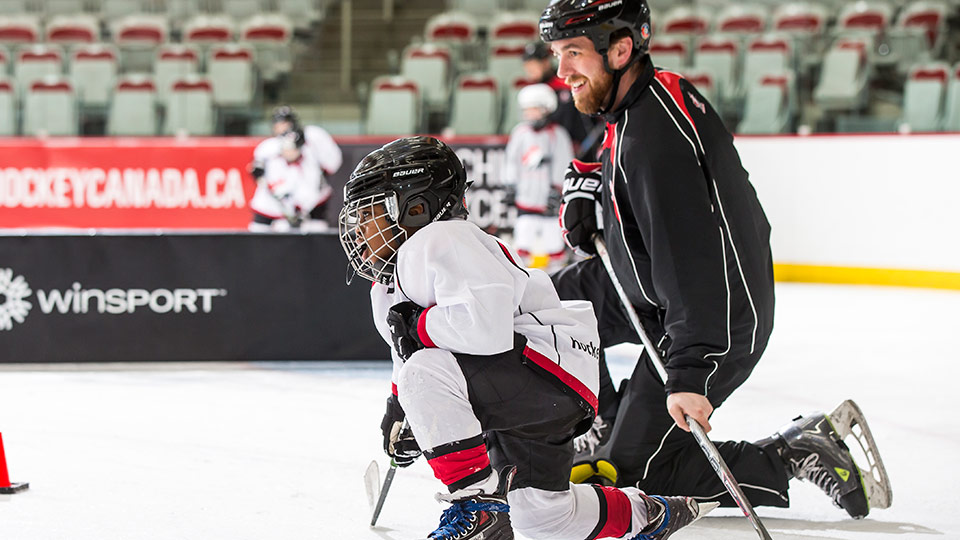
Youth training for the upcoming season can be a daunting prospect, but with the right tips and tricks, it doesn’t have to be. Starting too close to the season can lead to soreness and exhaustion on day one, making it hard to keep up the momentum through the rest of the season. But how far out should you start training? In this blog post, we’ll discuss the best ways to approach youth training and how far out you should start training to ensure you’re not sore after the first day.

Continue reading “Avoid Being Sore After the First Day: Tips on How Far Out to Start Training”

Power Plays off the Ice: The Damaging Effects of Hockey Parent Clicks on Team Performance

Performance in hockey is not only determined by what happens on the ice, but also off the ice. Hockey Clicks, a term used to describe the formation of exclusive parent groups, have become a major issue for coaches due to the damage they can cause to team morale and performance. In this blog post, we will discuss the negative effects of Hockey Clicks on coach performance and how to prevent them from ruining a team.

Continue reading “Power Plays off the Ice: The Damaging Effects of Hockey Parent Clicks on Team Performance”

Make Eating Healthy Fun: 5 Ways to Incorporate Energy-Boosting Kid Foods into Your Child’s Diet

Getting our kids to eat healthy can be challenging, but it doesn’t have to be! Incorporating energy-boosting kid foods into your child’s diet can be a fun and engaging activity that will help them perform better in school and activities. By making eating healthy a positive experience, you can set your children up for lifelong success. In this blog post, we will discuss five ways to make eating healthy fun with kid-friendly foods that provide energy and help them stay on track with their nutrition goals.

Continue reading “Make Eating Healthy Fun: 5 Ways to Incorporate Energy-Boosting Kid Foods into Your Child’s Diet”

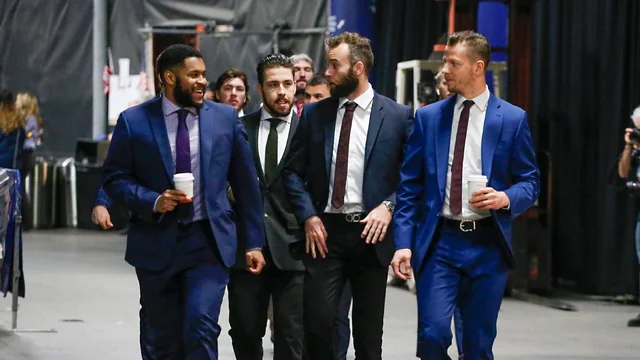
Top NHL Players Who Know How to Dress to Impress

As hockey players, we know that it’s not just about the skills on the ice; it’s also about how you dress to impress. The NHL is full of players who have taken their fashion sense to the next level and really know how to dress to make an impression. From sleek business suits to classic hockey dress clothes, these players have made sure to make a lasting impression on and off the ice. In this blog post, we’ll be taking a look at the top-dressed NHL players and how they take their hockey dress clothes to the next level.

Continue reading “Top NHL Players Who Know How to Dress to Impress”

Power Up Your Performance: How Strengthening Your Core Can Help You in Any Sport

When it comes to sports performance, having a strong core is essential. Core muscle strength not only helps with power and agility but also with balance and overall stability. Whether you’re a hockey player, a golfer, or a baseball player, having a developed core can make a huge difference in your game. In this blog post, we’ll explore how strengthening your core can help you improve your performance in any sport. We’ll discuss how core muscle development contributes to better balance and stability, as well as how to incorporate core exercises into your routine to get the most out of your training.

Continue reading “Power Up Your Performance: How Strengthening Your Core Can Help You in Any Sport”

Why Bubble Butts are All the Rage in the Hockey World

Hockey bums have become an iconic staple in the hockey world. From the rink to the locker room, bubble butts are all the rage. But what is a bubble butt and why is it so important for hockey players? In this blog post, we’ll be exploring why hockey players love their bubble bums, what makes the ultimate bubble butt, and the benefits that come with it. So grab your skates and let’s get into it!

Continue reading “Why Bubble Butts are All the Rage in the Hockey World”

Speaking the Same Language: Tips for Youth Hockey Coaches

As youth hockey coaches, it can be difficult to bridge the language gap between us and the kids we coach. We may understand terms such as “gino” or “apple,” but to the young players, these words mean nothing. It is essential that we learn to communicate with our kids in their language if we want to be successful as youth coaches. In this blog post, we will discuss tips for youth hockey coaches on how to speak the same language as their kids.

Continue reading “Speaking the Same Language: Tips for Youth Hockey Coaches”

Don’t Be a Tortoise on the Ice: Why Long Distance Running Isn’t the Answer to Hockey Conditioning

When it comes to hockey conditioning, long distance running isn’t the answer. While running can be beneficial in certain aspects of the game, relying solely on long distance running to prepare for the season can actually do more harm than good. From my own experience, I can remember my parents driving me to Wilcox Sask in the middle of July for a week-long hockey camp at Notre Dame. On day two of the camp, we were stuck running a 2-mile run that had to be done in 15 minutes. In a game of short bursts, does long-distance running really help?

Continue reading “Don’t Be a Tortoise on the Ice: Why Long Distance Running Isn’t the Answer to Hockey Conditioning”

Homesick or Home Run? Navigating the Emotional Toll of Junior Hockey Opportunities

When it comes to Junior Hockey opportunities, 18-year-olds often find themselves in a difficult position. They may be presented with an exciting opportunity to join a hockey team that is 8 hours away from home or one that is only 45 minutes away. While the farther away opportunity may open up new opportunities, it can also cause homesickness and negatively impact performance. How do you make the decision as a teenager? In this blog post, we will explore the emotional toll of Junior Hockey opportunities and how to navigate this difficult decision.

Continue reading “Homesick or Home Run? Navigating the Emotional Toll of Junior Hockey Opportunities”

Lost and Emotional: Learning to Control Emotions in Stressful Situations

When life throws us a curveball, it can be difficult to keep our emotions in check. We often find ourselves in stressful situations where it can be hard to remain level-headed. In my own experience, I found myself getting lost and emotional while trying to find a parking lot at a CFL game in Winnipeg. Although my emotions ran high and I felt overwhelmed, I eventually learned how to control my emotions and gain emotional intelligence in a high-pressure situation. In this blog post, I will discuss my experience and offer tips on how to stay in control of your emotions in times of stress.

Continue reading “Lost and Emotional: Learning to Control Emotions in Stressful Situations”